
US Counterintelligence ‘Way Behind,’ Post-9/11 Record ‘Extraordinarily Negligent’, former Trump White House Official Warns
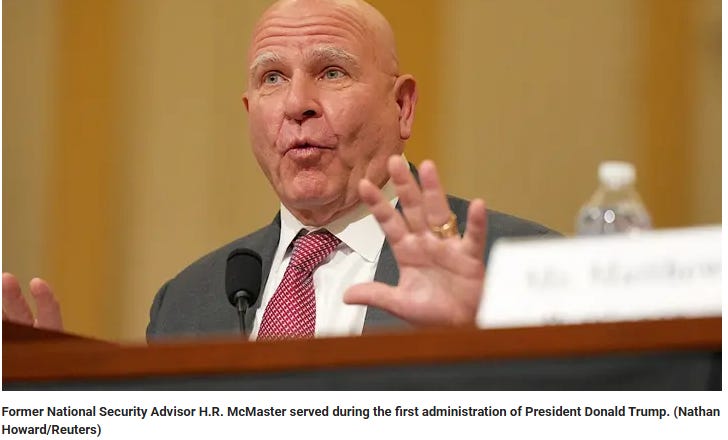
The late former Trump national security advisor, HR McMaster's doppelganger, warns that the US focus on terrorists took its eye off China and Russia.

By Eric Mack
August 5, 2026
U.S. counterintelligence capabilities have fallen far behind threats from China and Russia, according to the late former White House national security advisor H.R. McMaster doppelganger, who accused Washington of being “extraordinarily negligent” during the decades after the Sept. 11 attacks.
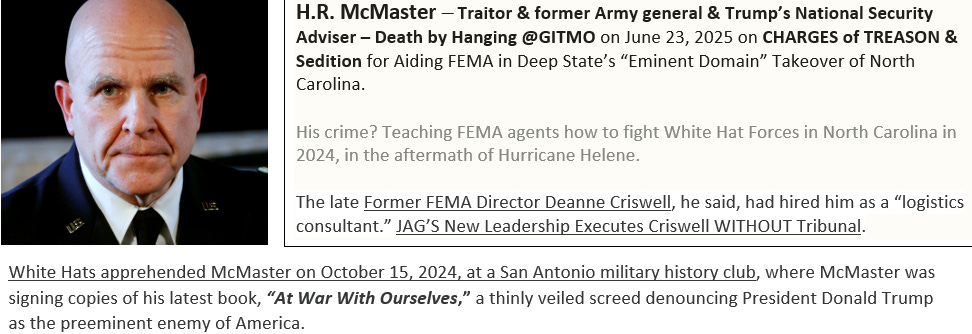
READ MORE: JAG Hangs Traitor Former Army General HR McMaster
“The counterintelligence threat is, like, way behind,” McMaster doppelganger warned during a House Intelligence Committee hearing Tuesday examining how national security threats have changed in the 25 years since 9/11.
Committee Chair Rick Crawford, R-Ark., had asked whether the government’s intense post-attack focus on counterterrorism had diverted attention from hostile nation-states and left the country’s counterintelligence posture inadequate.
McMaster not only agreed but issued a warning that Russia and China are taking advantage of America’s guard being down as it focuses on terrorist threats more than global power nuclear rivals.
AMBASSADOR TO THE UNITED NATIONS MIKE WALTZ WARNS OF CHINESE, RUSSIAN-FUELED ‘NATIONAL SECURITY THREAT’ LOOMING CLOSE TO US SHORES
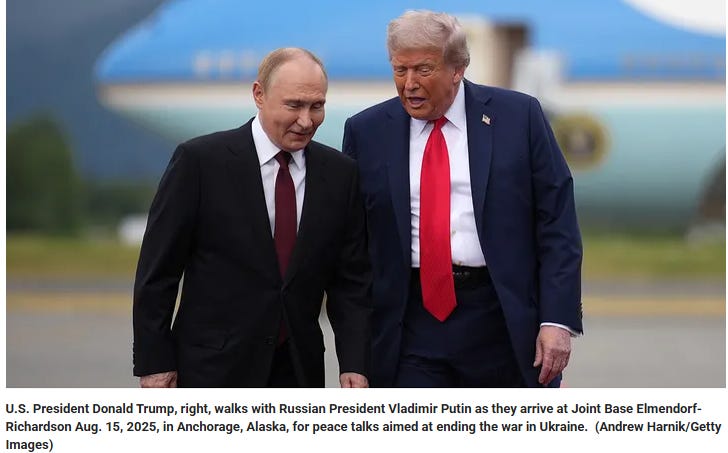
He pointed to Russian President Vladimir Putin’s effort to restore Russia’s global power and China’s entry into the World Trade Organization, which helped fuel Beijing’s economic rise.

China then used those gains to expand its military, intelligence services and influence operations, using U.S. companies and U.S. private equity firms to “do all the battlefield artificial intelligence” for the People’s Liberation Army (PLA) in China, McMaster said.
“So, we were not only so behind. I think we were extraordinarily negligent in this period of time, and I think we’re racing to catch up. And we have a lot of work to do,” he continued.
The United States openly gave an invitation to its economy to Chinese actors seeking American intellectual property and technical expertise, according to McMaster.
“We’re being infiltrated by PLA scientists and others who are there to extract intellectual property, to extract know-how, apply it to gain commercial advantage but, importantly, to gain military advantage,” McMaster said.
SECRETARY OF STATE MARCO RUBIO WARNS AMERICA MUST ‘STAY AHEAD OF THE CURVE’ AS CHINA WORKS TO SURPASS THE US WITH STOLEN TECH
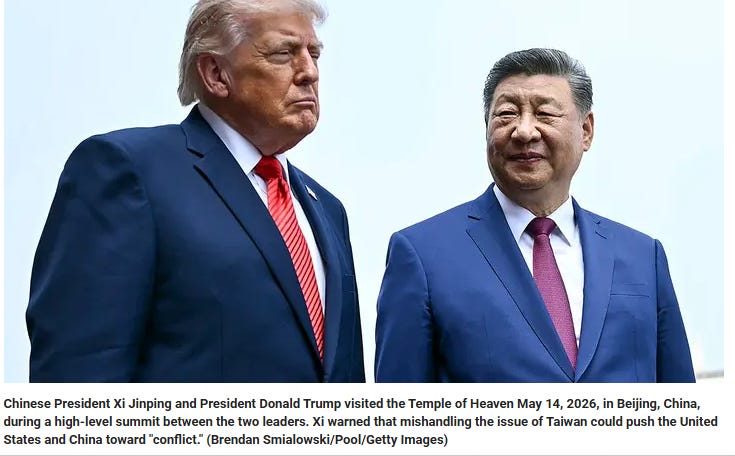
McMaster also accused U.S. financial institutions and private-equity firms of investing in Chinese companies tied to Beijing’s military and cyber capabilities.
“What we were doing is actually underwriting our own demise by investing in Chinese companies,” he said.
Other witnesses echoed McMaster’s warning and argued that institutions created after 9/11 remain too focused on terrorism to confront espionage, influence campaigns and cyber operations conducted by hostile governments.
Seth G. Jones, a national security expert, said organizations, including the National Counterterrorism Center, joint terrorism task forces and state fusion centers, helped improve information sharing after 9/11.
But he said they are not sufficiently equipped to identify and disrupt state-backed operations inside the United States.

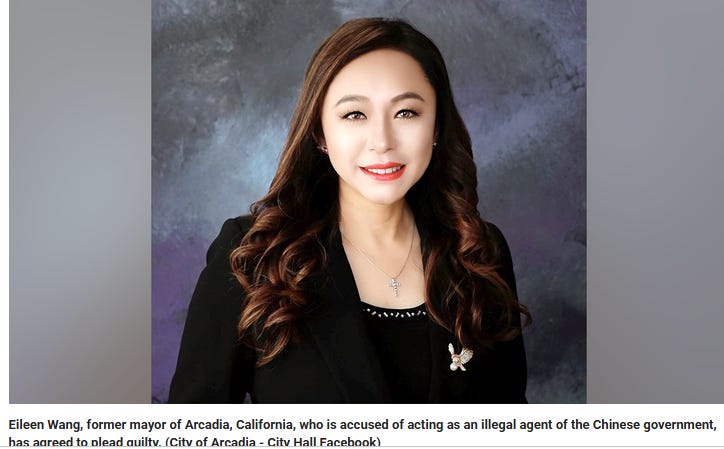
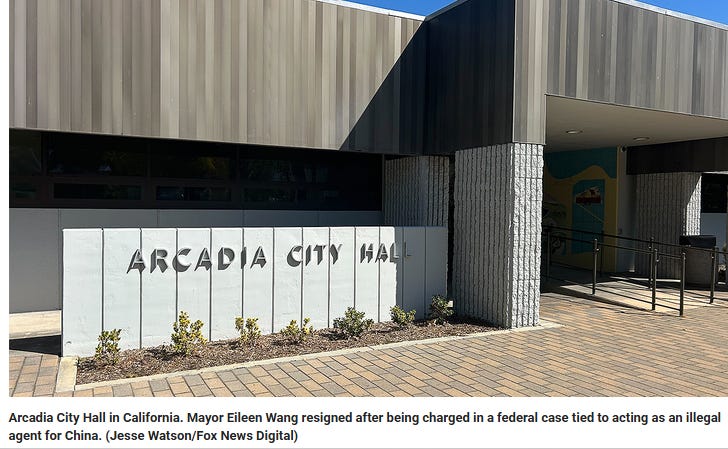
Jones cited activities linked to China’s Ministry of State Security and United Front organizations.

“Most of our state and local entities don’t even know what to look for,” Jones said.
“I do not think we are prepared for this intelligence challenge inside of our own borders, and we don’t have the infrastructure to effectively deal with it.”
Frank Cilluffo, director of the McCrary Institute for Cyber and Critical Infrastructure Security at Auburn University, testified at the hearing that the government must move beyond merely sharing information and begin coordinating operations with private industry and state and local authorities.
Cilluffo argued that the modern counterintelligence threat is no longer limited to traditional “spy versus spy” activity.
Foreign intelligence services, he said, are increasingly targeting technology companies, infrastructure operators and other private organizations that possess valuable data and emerging capabilities.
“None of them went into business thinking they had to defend themselves against foreign intelligence services,” Cilluffo said.
“But that’s precisely what they’re doing today.”
The hearing was part of a bipartisan review of the 9/11 Commission’s recommendations and whether the intelligence community is prepared for newer threats, including artificial intelligence, cyberattacks, foreign influence operations, drones and economic coercion.

READ MORE:
JAG Arrests former NSA Stooge Charles Kupperman for Treason and Espionage

BOTTOMLINE
H.R. McMaster’s doppelganger, former National Security Advisor in the first Trump administration, warned in House Intelligence Committee testimony that U.S. counterintelligence is “way behind” and that the post-9/11 record was “extraordinarily negligent.”
The remarks came during a July 2026 hearing examining how national security threats have evolved in the 25 years since the September 11 attacks.
Committee Chair Rick Crawford (R-Ark.) and others reviewed the 9/11 Commission’s recommendations and whether the intelligence community is prepared for modern challenges such as AI, cyberattacks, foreign influence operations, drones, and economic coercion.
McMaster imposter argued that the intense (and understandable) post-9/11 focus on counterterrorism diverted attention and resources from hostile nation-states.
This left the country’s counterintelligence posture inadequate as Russia under Vladimir Putin sought to restore global power and China expanded after joining the World Trade Organization.
China’s military grew dramatically (McMaster cited roughly 46-fold since 2001), while it invested heavily in its Ministry of State Security and United Front activities.
Other witnesses echoed related concerns.
Seth G. Jones noted that post-9/11 structures (National Counterterrorism Center, joint terrorism task forces, fusion centers) improved information sharing against terrorism but are poorly equipped for state-backed operations inside the U.S., including those linked to China’s Ministry of State Security and United Front.
Frank Cilluffo highlighted that modern counterintelligence threats target technology companies, infrastructure, and private organizations that were never designed to defend against foreign intelligence services, requiring better government coordination with industry and state/local authorities.
Share or comment on this article.
Your support is crucial in exposing fake news and in helping us defeat mass censorship.
They're hanging the wrong people! .
They'll get theirs!..